
Why Choose a China-Based Industrial Robot System Integrator?
Introduction
In today’s competitive automation market, selecting the right industrial robot partner is a strategic decision. For overseas robot system integrators, distributors, and automation equipment wholesalers, cooperation model, supply-chain flexibility, and multi-brand capability are often more important than simply purchasing individual robot units.
A China-based industrial robot system integrator can provide engineering-driven solutions, scalable sourcing support, and cross-brand integration expertise—making them a strong upstream partner for global automation companies.
Access to Multi-Brand Robot Integration Capability
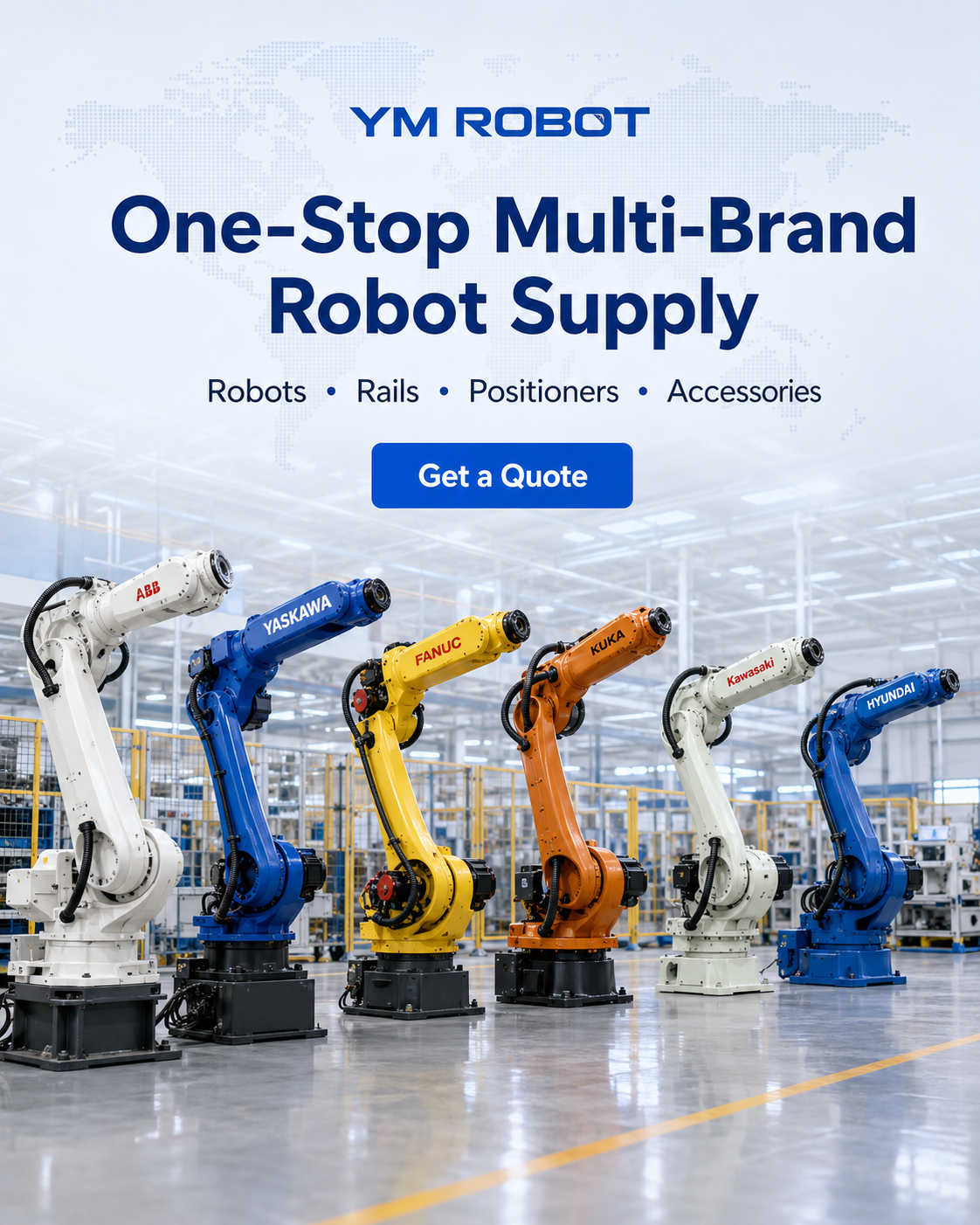
Modern production lines rarely operate on a single robot brand. Integration projects often involve multiple platforms such as:
FANUC
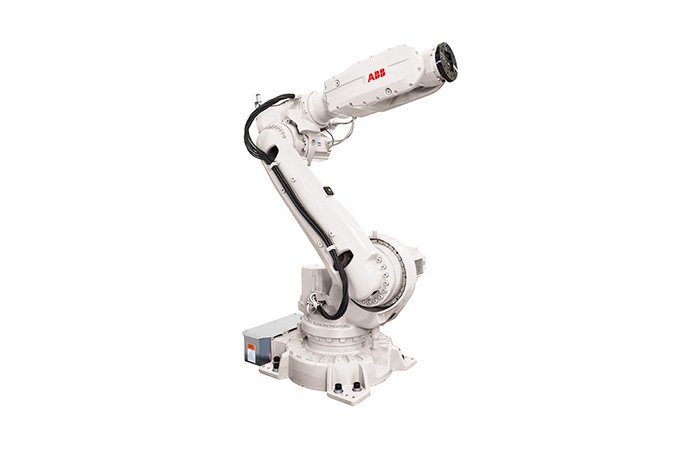
ABB
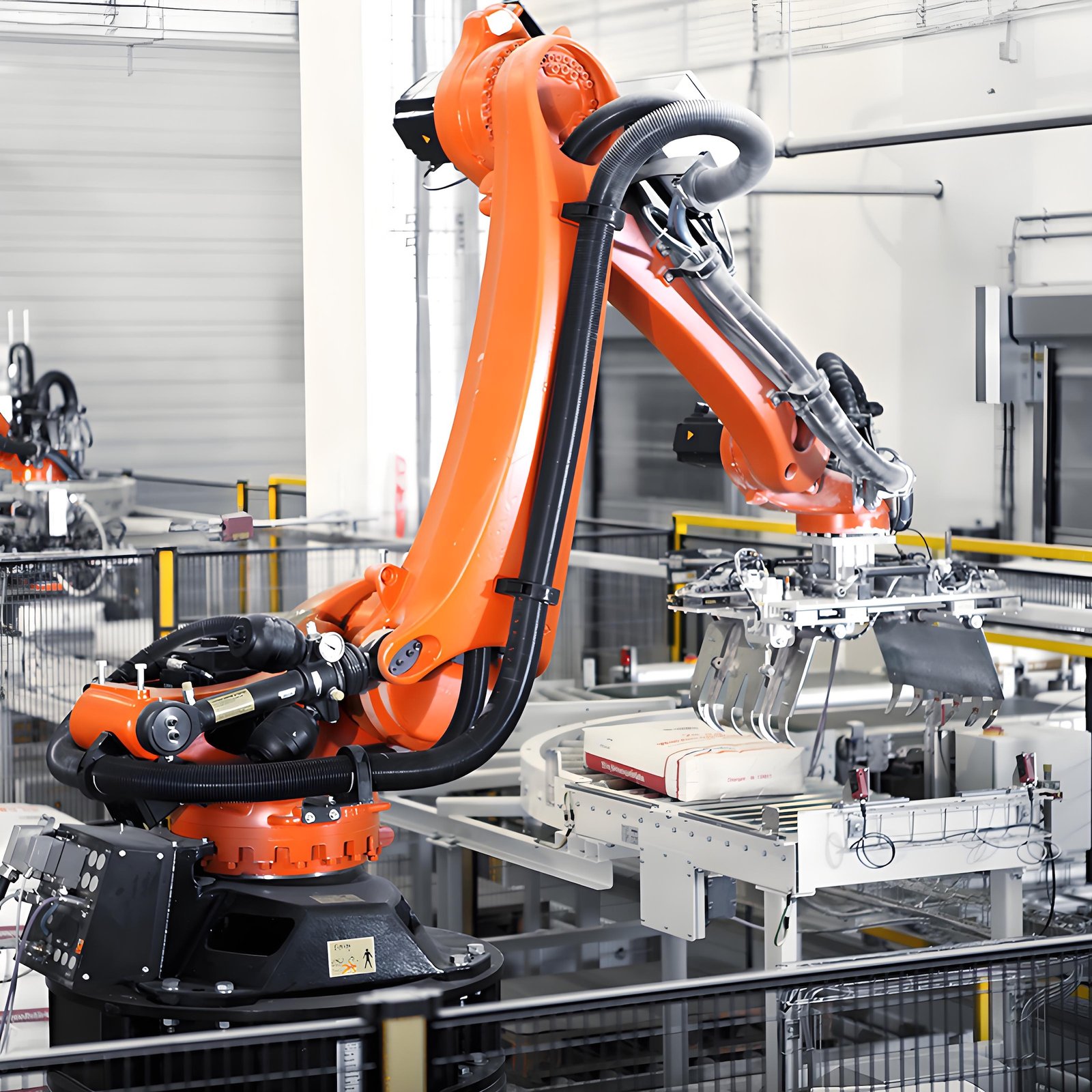
KUKA
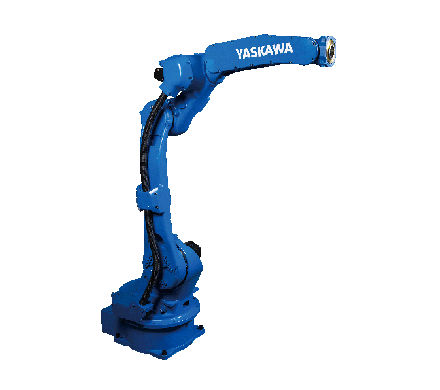
YASKAWA
A China-based integrator with established cooperation channels can:
Configure multi-brand robot systems
Handle controller compatibility issues
Optimize integration across different robot architectures
Provide alternative sourcing when availability fluctuates
For overseas partners, this reduces procurement complexity and improves project flexibility.
Engineering-Oriented Industrial Robot Integration
Unlike trading companies that only supply robot units, a qualified system integrator provides:
Robot application engineering
Welding, palletizing, handling, and assembly integration
Robot positioners and linear tracks
Pre-assembled automation modules
China’s large-scale manufacturing ecosystem has accelerated practical robot deployment experience. This allows integrators to deliver technically mature and time-efficient automation systems.
For distributors and regional integrators, engineering-backed support reduces project risk and shortens implementation cycles.
Supply Chain Stability and Scalable Production
Global automation projects require predictable delivery and cost control.
China-based industrial robot system integrators benefit from:
Mature manufacturing infrastructure
Flexible customization capability
Strong local supplier networks
Efficient production scheduling
This structure enables:
Faster lead times
OEM cooperation models
Stable component sourcing
Replicable automation modules for multiple markets
For wholesalers and automation traders, scalability directly influences margin structure and long-term growth.
OEM and Private Label Opportunities
Many regional automation distributors prefer to establish their own brand identity.
A China-based system integrator can support:
OEM production
Customized mechanical structures
Private labeling
Long-term product line cooperation
This model strengthens the distributor’s market positioning while maintaining technical reliability.
Flexible B2B Cooperation Model
Compared with direct procurement from multinational robot manufacturers, working with an independent China-based integrator can provide:
Flexible minimum order quantities
Project-based customization
Faster engineering communication
Adaptable cooperation structures
This flexibility is particularly valuable for small and medium-sized system integrators expanding into new automation sectors.
Who We Work With
We focus on cooperation with:
Industrial robot system integrators
Automation solution providers
Regional distributors
Industrial equipment wholesalers
We do not directly target end-user factories, ensuring that our partners maintain their own market positioning and customer relationships.
Frequently Asked Questions (FAQ)
Why work with a China-based industrial robot system integrator instead of buying directly from robot manufacturers?
Large robot manufacturers primarily supply standardized products. A system integrator provides engineering integration, multi-brand configuration, and customized automation modules tailored for resale or system deployment.
Can a China-based integrator support multiple robot brands in one project?
Yes. Experienced integrators regularly work with robots from FANUC, ABB, KUKA, and YASKAWA, allowing cross-platform system integration and compatibility solutions.
Is cooperation limited to large-volume orders?
No. Many China-based integrators offer flexible order structures suitable for regional distributors and mid-sized automation companies.
Do China-based system integrators offer OEM services?
Yes. OEM manufacturing, customized mechanical components, and private-label automation modules are common cooperation models.
How can overseas distributors ensure long-term technical support?
Long-term cooperation agreements, engineering documentation, remote technical communication, and spare parts coordination are typically part of B2B partnerships with experienced integrators.
Conclusion
Choosing a China-based industrial robot system integrator is not simply a sourcing decision. It is a partnership strategy focused on:
Multi-brand integration capability
Engineering-driven automation solutions
Scalable and flexible supply chains
Long-term B2B cooperation
For overseas system integrators, distributors, and automation wholesalers, the right upstream partner enhances competitiveness in an increasingly complex global automation market.
 China Industrial Robot Supplie
 When Customers Ask for Differe
 Why Fast Quotation Response Ma
How a One-Stop Industrial Robo
Why Fast Quotation Response Ma
How a One-Stop Industrial Robo