
How a One-Stop Industrial Robot Supplier in China Solves Sourcing Pain Points for Distributors and Integrators
Why Fragmented Sourcing Has Become a Real Problem in Industrial Automation
Are you still spending too much time contacting different suppliers for different robot brands, accessories, and supporting equipment? For many overseas distributors, wholesalers, and automation integrators, this is no longer a small inconvenience. It has become a real sourcing problem that affects quotation speed, project coordination, delivery efficiency, and long-term business growth.
In the industrial robot market, many buyers do not only need a single robot arm. They often need a broader combination of products, such as industrial robots, cobots, robot linear rails, welding positioners, cable packs, protective covers, and customized workstation components. When these items are purchased from separate suppliers, the workload increases quickly. Communication becomes fragmented, technical matching becomes less efficient, and project timelines become harder to control.
For channel-based buyers, this creates hidden pressure. Instead of focusing on sales development, local market expansion, and customer relationship management, they have to spend more time managing sourcing details across multiple vendors.
The Hidden Cost of Working With Too Many Suppliers
At first glance, buying from several suppliers may seem flexible. One supplier offers a robot brand, another offers a linear rail, and another offers a welding positioner or cable pack. But in practical B2B cooperation, this model often creates more complexity than value.
Every additional supplier adds another communication loop. Specifications need to be checked multiple times. Drawings may follow different standards. Delivery schedules may not align. Packaging and export preparation may be inconsistent. Even when each supplier is technically capable, the overall coordination burden still falls on the distributor or integrator.
This is where many overseas buyers begin to feel the real pain point. The issue is not only product cost. It is also the cost of time, management effort, response speed, and project risk. In a competitive automation market, these hidden costs can directly reduce business efficiency.
Why One-Stop Supply Matters for Distributors and Integrators
A one-stop industrial robot supplier in China helps solve this problem by reducing fragmentation. Instead of dealing with separate sources for robots and supporting equipment, overseas partners can work with one upstream supplier that understands how the pieces fit together.
This approach creates several practical advantages. First, it simplifies communication. Second, it improves technical coordination between the robot and the supporting equipment. Third, it helps create more stable lead-time planning. Fourth, it allows the buyer to build a more complete sourcing model for repeated business.
For automation distributors and wholesalers, this is especially important. A more organized upstream supply structure makes it easier to respond to inquiries, prepare quotations, and maintain consistency across different projects. For system integrators, it also reduces the engineering pressure caused by mismatched components from different sources.
Beyond the Robot Arm: Supporting Equipment Creates Real Project Value
Many buyers already understand the value of major robot brands. However, project success often depends just as much on the supporting equipment around the robot.
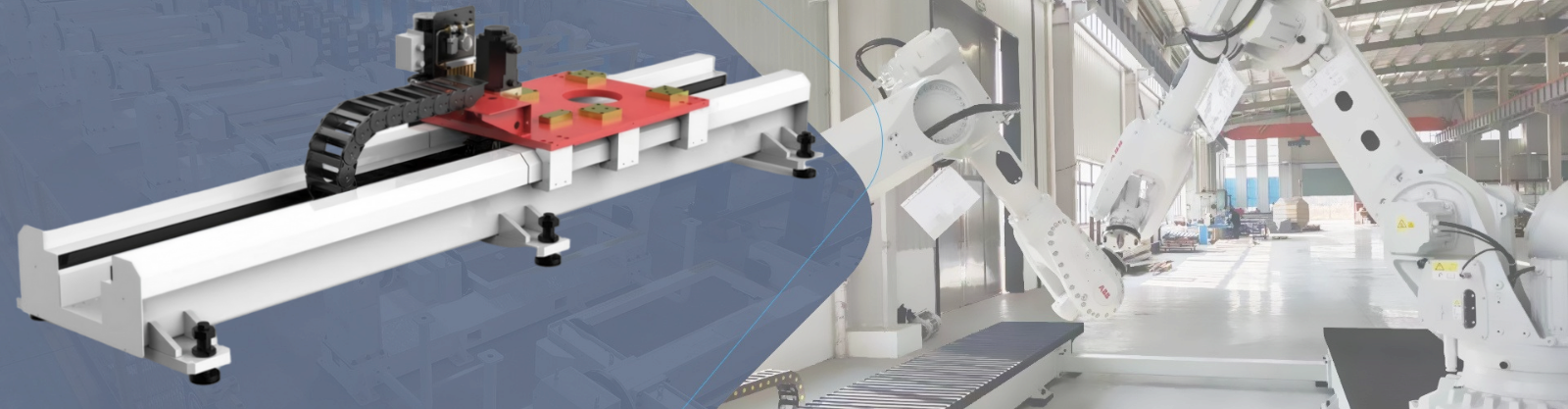
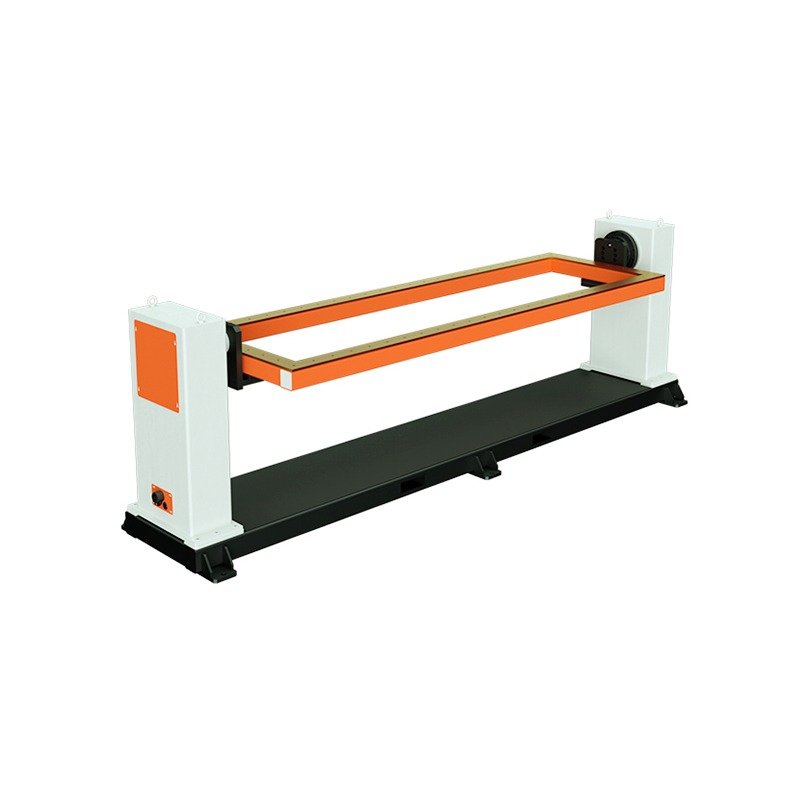
A robot linear rail can expand the working range and improve layout flexibility. A welding positioner can improve workpiece accessibility and process efficiency. A robot cable pack helps manage cables and hoses more safely and neatly in dynamic applications. A protective cover can improve suitability for demanding production environments. These components are not minor add-ons. They are part of the real system value.
For distributors and integrators, the ability to source these items from one supplier creates a stronger commercial offer. Instead of selling only a robot, they can provide a more complete automation package. This improves quotation competitiveness and helps move the conversation away from simple price comparison.
Multi-Brand Supply Is Also a Practical Advantage
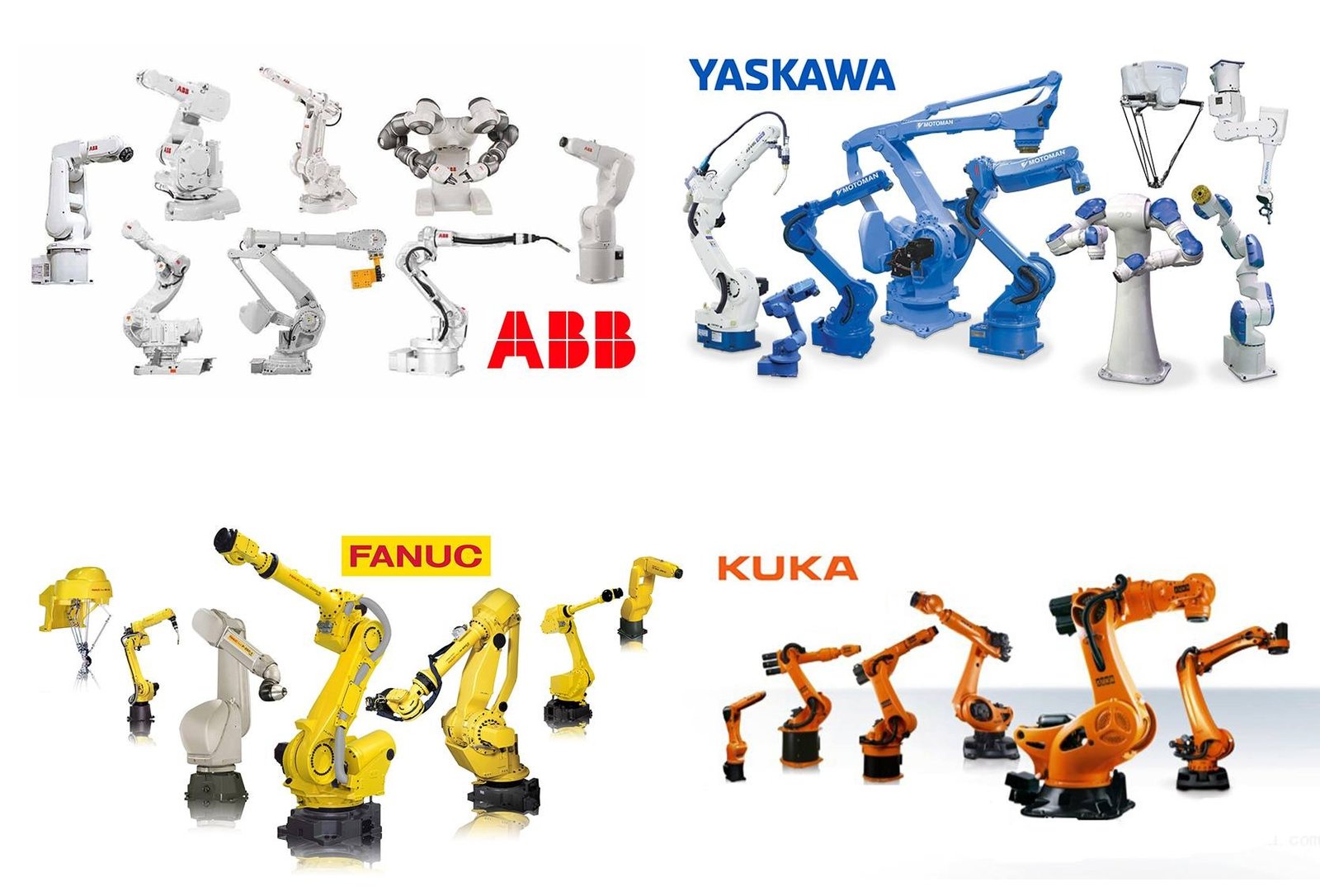
Another major pain point for overseas channel partners is brand limitation. In many markets, local customers may prefer different robot brands depending on installed base, service familiarity, or application standards. If the upstream supplier only supports one brand, the distributor or integrator may lose flexibility.
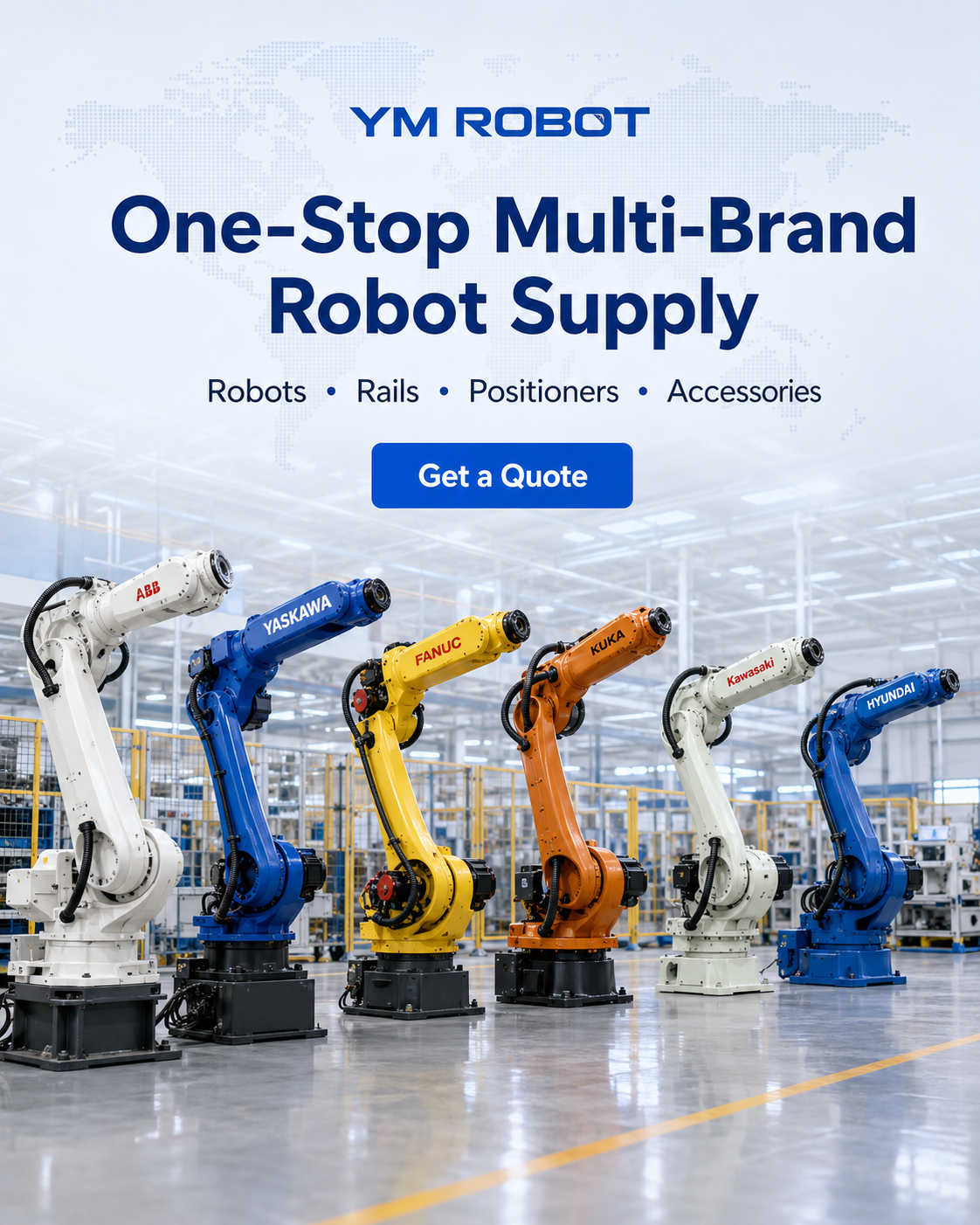
A multi-brand industrial robot supplier can reduce this limitation. By supporting more than one mainstream platform and combining them with compatible supporting equipment, the supplier helps overseas partners respond to a wider range of project requirements.
This is particularly useful for B2B buyers who serve multiple industries or multiple customer types in the same region. One project may require a different robot structure than another, and the supplier should support that reality rather than force every quotation into a single fixed model.
Why Overseas Buyers Care About More Than Product Price
For experienced distributors, wholesalers, and automation companies, supplier evaluation is never based on price alone. What matters more is whether the supplier can support long-term business development.
A strong robot automation supplier in China should be able to support practical communication, stable documentation, coordinated delivery, and product matching across multiple equipment categories. This is where one-stop supply creates more strategic value. It does not only help with one shipment. It helps build a more dependable supply relationship.
When buyers can rely on one source for robots and related supporting products, they can focus more on commercial growth in their own market. They can spend less time resolving sourcing gaps and more time winning projects, supporting customers, and developing local channels.
One Supplier, Better Quotation Logic
One of the biggest advantages of a one-stop supply model is how it improves quotation efficiency. When the robot, the rail, the positioner, and the accessory package are discussed under one supplier framework, the quotation becomes easier to structure.
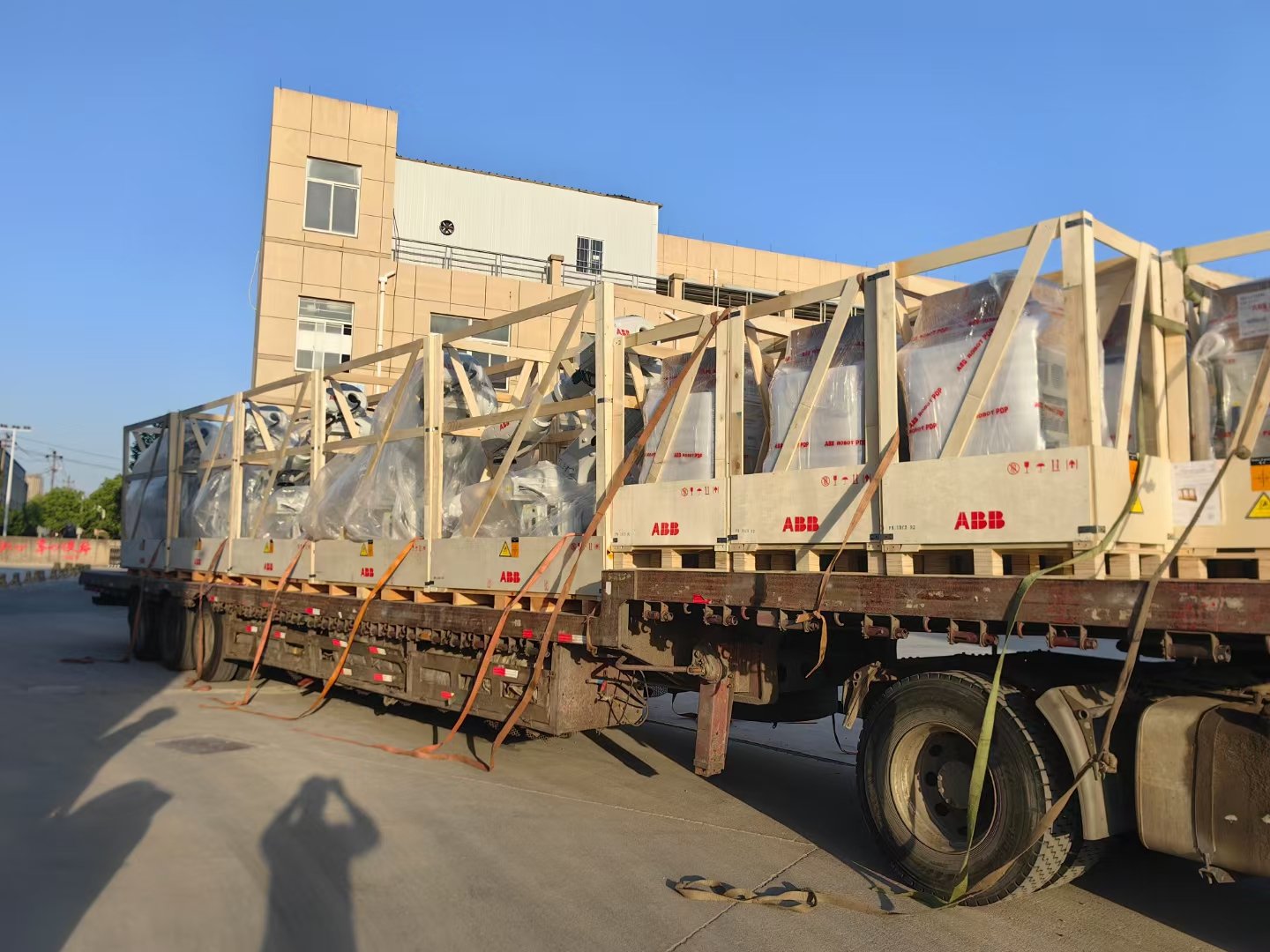
This matters because overseas channel partners often need to react quickly. A slow or fragmented quotation process can reduce the chance of winning the project. If a supplier can support a broader product scope, the distributor or integrator can prepare a more complete offer with fewer internal delays.
This also improves commercial presentation. Instead of sending multiple separate quotations from different vendors, the buyer can position the solution as a more organized package. That creates a stronger professional impression and makes the project easier to explain to local customers or engineering teams.
A Better Fit for OEM and Long-Term B2B Cooperation
For many overseas partners, industrial robot sourcing is not limited to one order. They are looking for a long-term supply model that can support repeated cooperation, different project sizes, and future expansion.
This is why one-stop industrial robot supply is closely linked to OEM and B2B cooperation. A supplier that understands distributors, wholesalers, and system integrators can usually support more than just product availability. It can also support flexible communication, repeatable supply structure, and more practical project adaptation.
Over time, this becomes a business advantage. The buyer does not need to rebuild the sourcing chain for every new inquiry. Instead, they can develop a more efficient and scalable cooperation model with one reliable upstream partner.
What Distributors and Integrators Should Look for in a One-Stop Supplier
Before choosing a supplier, overseas buyers should evaluate whether the company truly has one-stop supply capability or only uses the term as a sales message. A real one-stop supplier should be able to support multiple product categories, understand how those products work together, and communicate clearly about system matching.
Buyers should also look at documentation, response speed, export readiness, and product consistency. These factors are often more important than catalog size. In B2B automation business, operational reliability is part of the product value.
A supplier that can support robots, supporting equipment, and flexible cooperation models is usually in a better position to help distributors and integrators build long-term channel competitiveness.
Conclusion
For overseas distributors, wholesalers, and automation integrators, the real pain point in industrial robot sourcing is often not the lack of products. It is the complexity of managing too many suppliers across too many related categories.
A one-stop industrial robot supplier in China helps solve this problem by reducing sourcing fragmentation, improving coordination, and supporting a more complete automation supply structure. For companies that want to grow in industrial automation without increasing unnecessary sourcing complexity, this model offers practical long-term value.
Instead of asking how to buy one more robot, more buyers are now asking a better question: how can we build a more efficient and scalable supply chain for our automation business? In many cases, the answer starts with choosing the right one-stop partner.
Looking for a one-stop industrial robot supplier in China? We support overseas distributors, wholesalers, and system integrators with multi-brand robot supply, supporting equipment, and flexible B2B cooperation. Contact us to discuss your sourcing needs.
 China Industrial Robot Supplie
 When Customers Ask for Differe
 Why Fast Quotation Response Ma
How a One-Stop Industrial Robo
Why Fast Quotation Response Ma
How a One-Stop Industrial Robo