
How Automation Distributors Build Competitive Robot Supply Chains
Introduction
In the global automation industry, supply-chain strategy plays a critical role in determining how competitive an automation distributor can be. Access to reliable robot suppliers, engineering partners, and automation component manufacturers enables distributors to respond quickly to market demand.
Building a strong robot supply chain is not only about sourcing products—it is about creating a flexible and scalable automation ecosystem.
Diversifying Robot Supply Sources
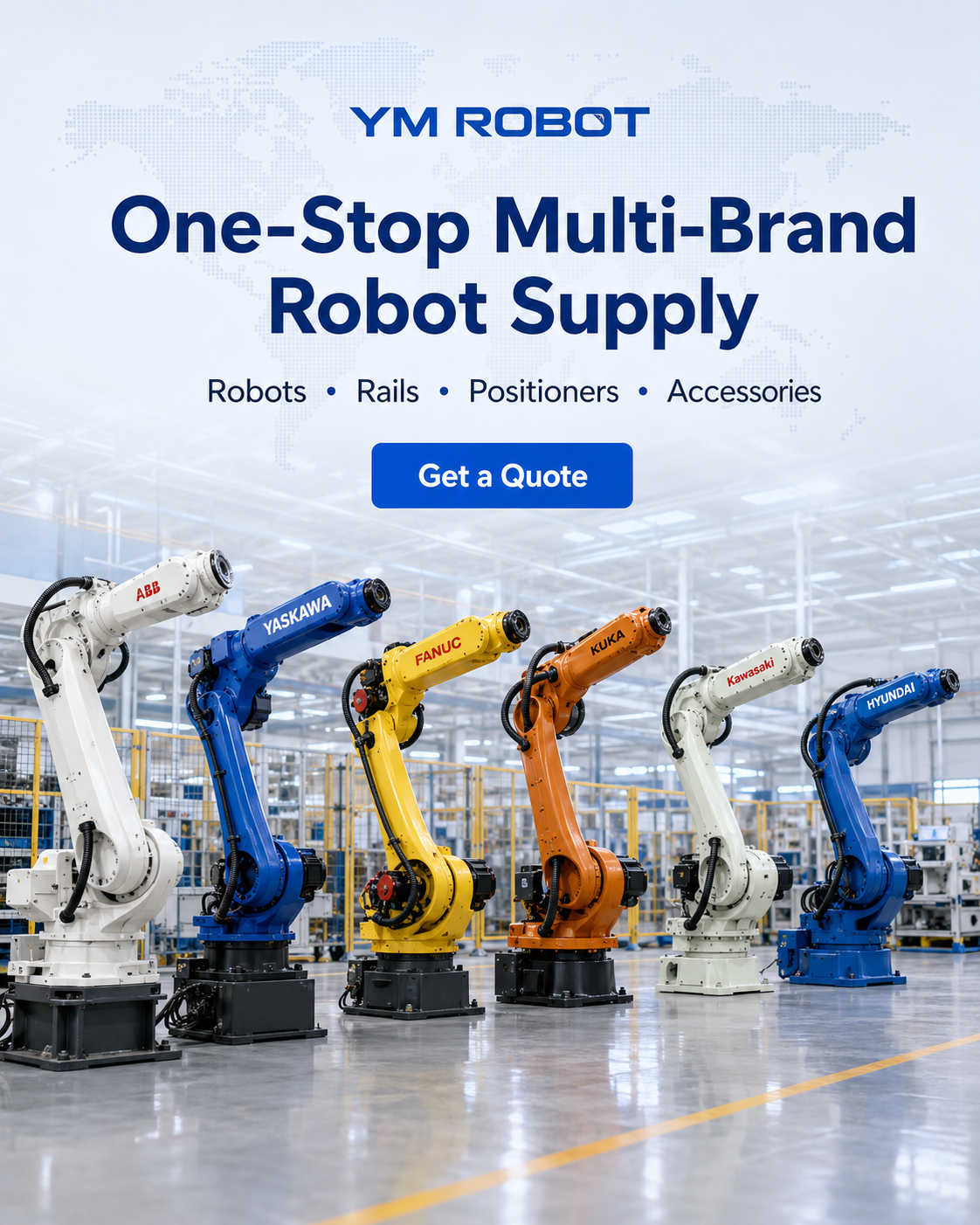
Automation distributors increasingly avoid relying on a single robot manufacturer. Instead, they build supply chains that include multiple platforms such as:
FANUC
ABB
KUKA
YASKAWA
Diversification improves sourcing flexibility and reduces supply risks.
Partnering with Integration-Oriented Suppliers
A strong supply chain includes partners who understand system integration requirements. These partners can provide:
Pre-engineered automation modules
Mechanical components for robot systems
Integration support for new applications
This approach helps distributors deliver complete automation solutions rather than individual products.
Improving Project Delivery Speed
Distributors with well-structured supply chains can shorten project lead times by:
Maintaining access to multiple robot platforms
Working with experienced automation integrators
Using pre-designed automation modules
Faster delivery strengthens market competitiveness.
FAQ
Why is supply chain diversification important in robotics?
Diversification allows distributors to adapt to changes in robot availability, pricing, and market demand.
Can automation distributors cooperate with multiple integration partners?
Yes. Many distributors work with multiple integrators to expand their automation solution portfolio.
What role do system integrators play in the supply chain?
System integrators provide engineering expertise and integration support that help distributors deliver complete automation systems.
 China Industrial Robot Supplie
 When Customers Ask for Differe
 Why Fast Quotation Response Ma
How a One-Stop Industrial Robo
Why Fast Quotation Response Ma
How a One-Stop Industrial Robo