
When Customers Ask for Different Robot Types in the Same Market: How Distributors Stay Competitive
One Market Rarely Demands Only One Robot Category
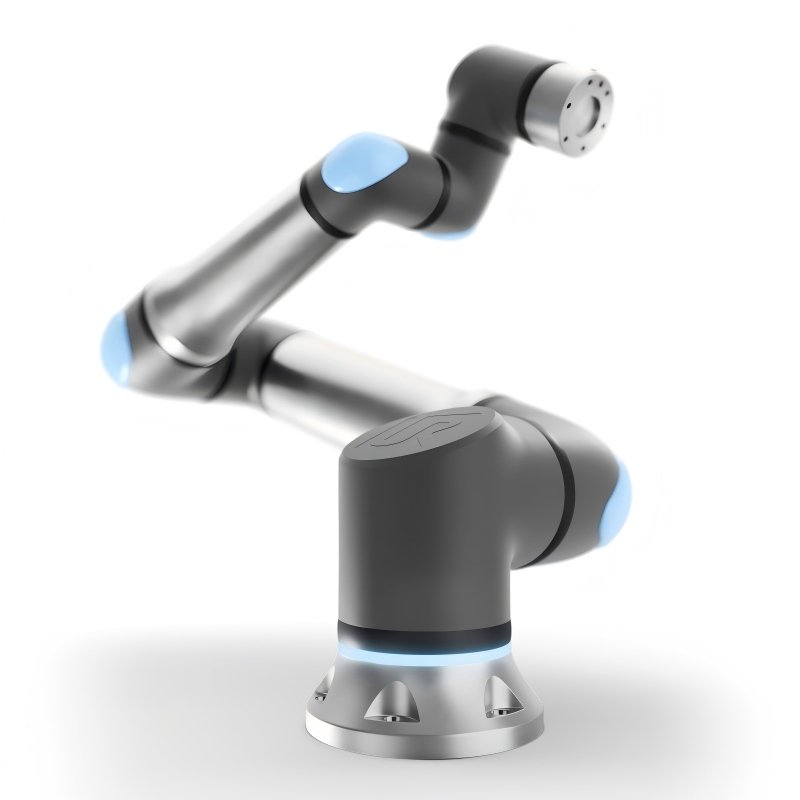
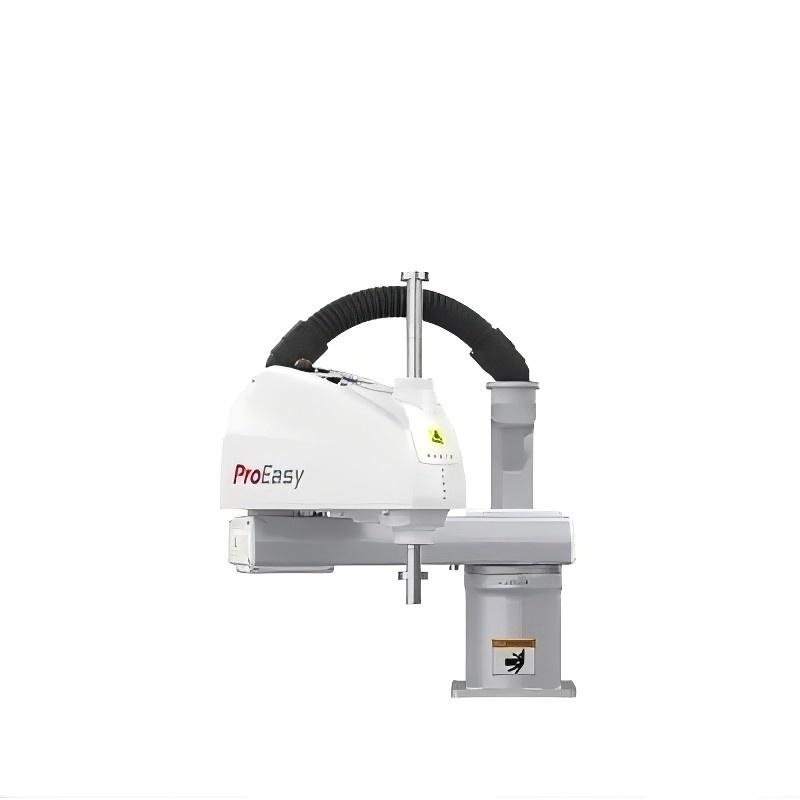
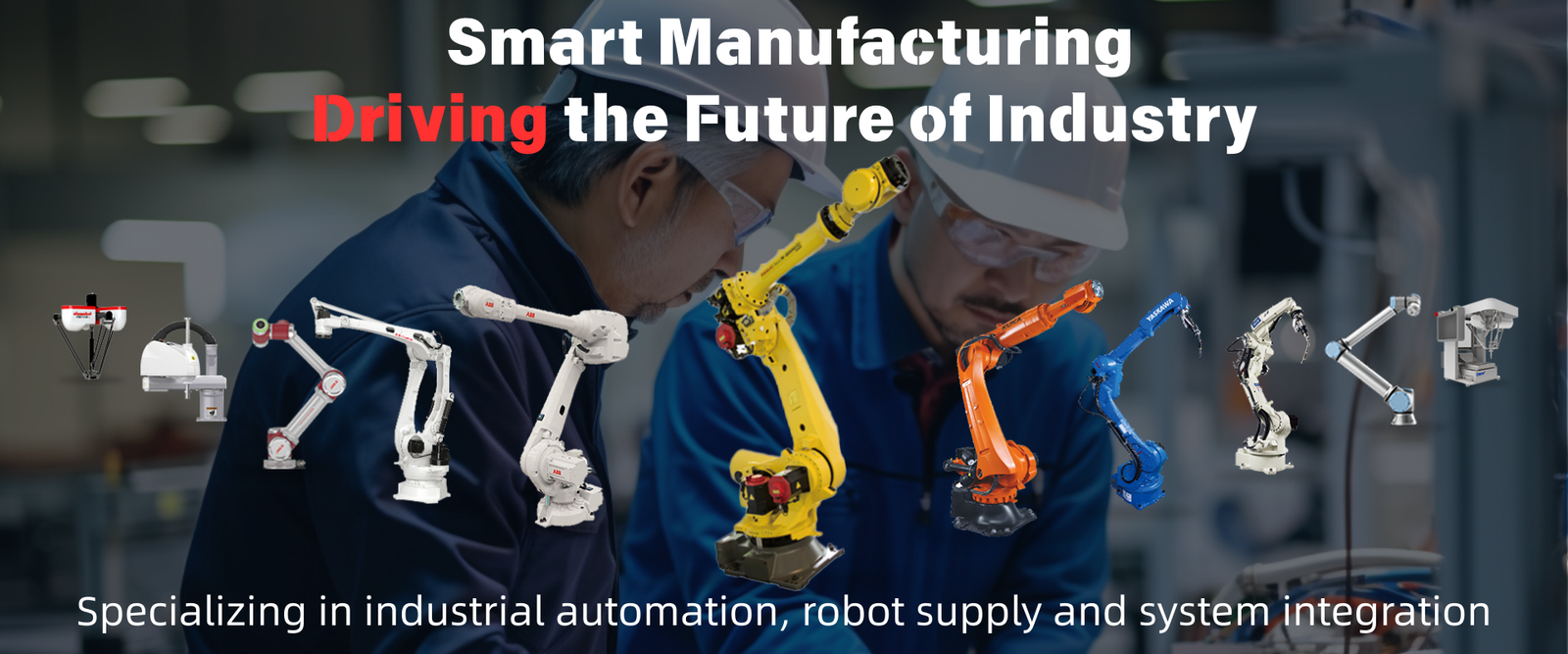
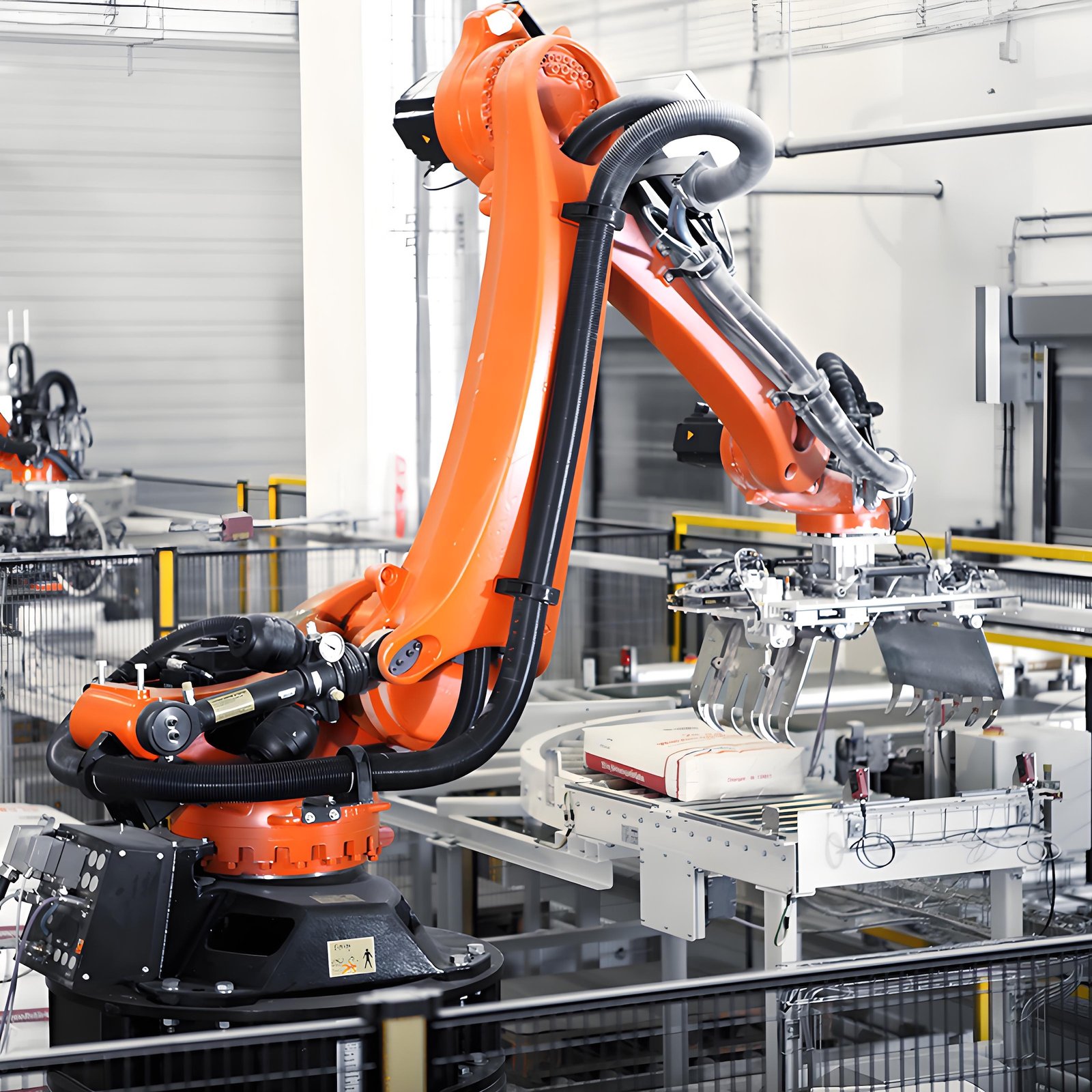
For overseas distributors in the automation business, one of the most frustrating realities is that local demand is rarely simple. The same market may generate interest in industrial robots , cobots, SCARA robots, palletizing robots within a very short period of time.
This creates a real business challenge. A distributor may be strong in one category, but when the next inquiry shifts into another robot type, the supplier side may no longer be able to support the opportunity efficiently. The result is not just inconvenience. It can directly reduce competitiveness.
For channel partners, this is one of the most practical pain points in robot supply today. The problem is not that demand is weak. The problem is that the demand is diverse.
The Pain Point: Mixed Inquiries Create Gaps in Response
A distributor may receive one inquiry for a cobot used in a compact automation task, and another inquiry for a palletizing robot in the same week. A third customer may ask for a SCARA robot for assembly efficiency, while another wants a more conventional industrial robot platform for handling or welding.
If the supplier can only support one narrow product category, these mixed inquiries become difficult to manage. Some leads move forward. Others slow down. Some are lost completely. Over time, this creates a pattern where the distributor is always responding to the market, but not fully capturing it.
This is one reason why many overseas automation businesses struggle to scale. The market presents opportunities, but the available product structure is too limited to turn enough of them into quotations and orders.
Why This Hurts Distributors More Than It Hurts End Users
An end user may only need one solution for one application. A distributor does not work that way.
Distributors need to stay relevant across multiple customer types, industries, and project styles. Their commercial value depends on their ability to respond to many different inquiries with confidence. If the supplier side is too narrow, the distributor becomes less flexible and more dependent on outside sourcing each time the inquiry changes direction.
This increases workload and weakens commercial momentum. Instead of building a stable supply structure, the distributor is forced into repeated patchwork sourcing. For companies serving integrators, distributors, wholesalers, and trading companies, this is a serious business limitation.
Better Product Breadth Creates Faster Market Response
When the product range is broader, the response to inquiries becomes faster. Instead of first deciding whether the supplier can handle the category at all, the distributor can move more directly into application matching, quotation structure, and project discussion.
This is valuable because many automation opportunities depend on speed. A channel partner that can respond quickly across multiple robot categories is often in a better position than one that must first solve supplier gaps.
From a commercial perspective, this wider product coverage improves both efficiency and competitiveness.
Conclusion
In many overseas markets, customers do not ask for one robot type again and again. They ask for different robot types according to different tasks, budgets, and applications.
For distributors, staying competitive means being able to respond to that variety without rebuilding the supply chain every time. A broader supplier structure helps reduce missed opportunities and strengthens long-term channel flexibility.
In industrial automation, the distributors who remain competitive are often not the ones with the narrowest specialty. They are the ones who can respond to the widest range of real demand in a practical way.
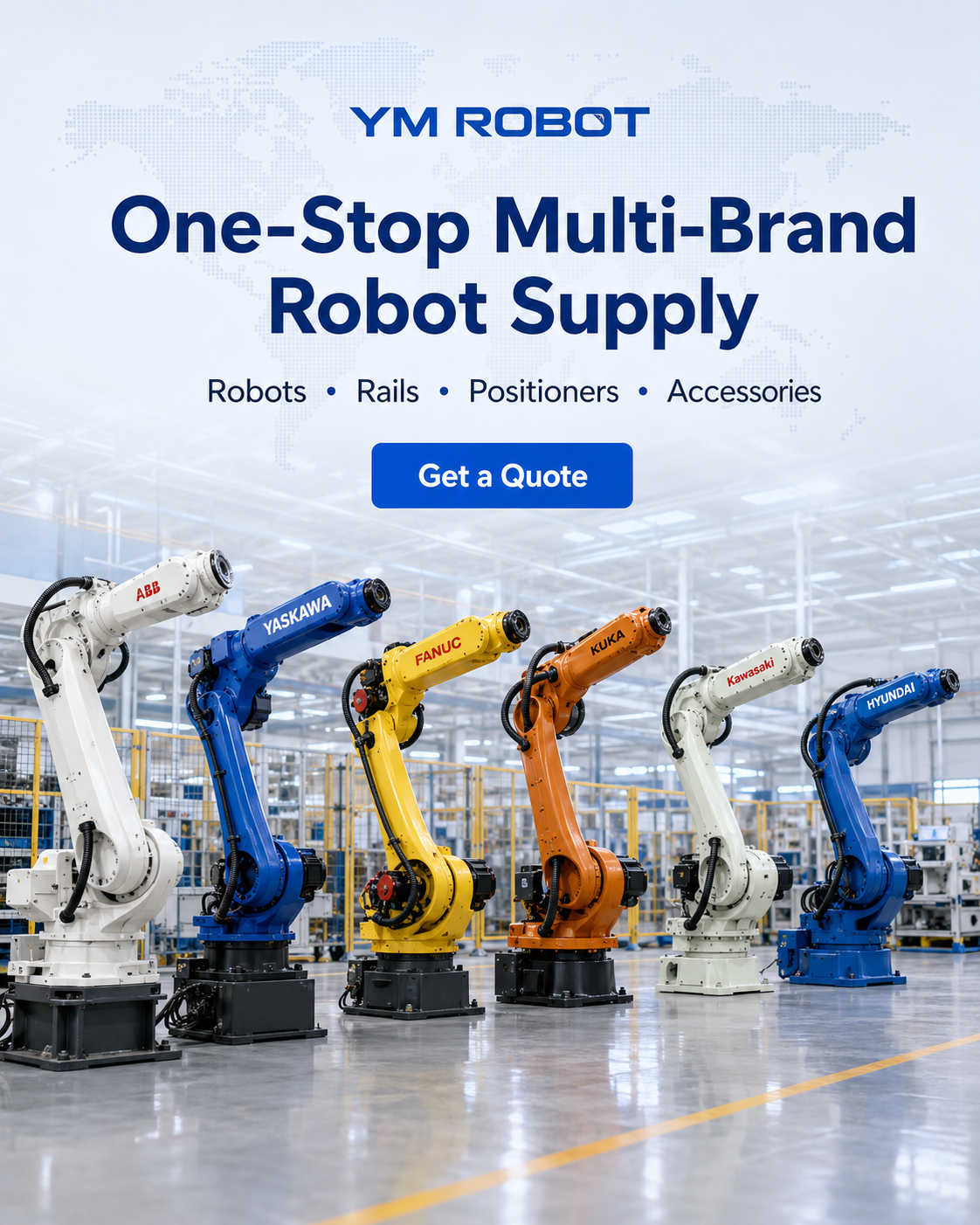
Need a broader product structure for your market? Visit our robot product categories and see how our palletizing robot, cobot, and SCARA robot solutions can support your business.
 China Industrial Robot Supplie
 When Customers Ask for Differe
 Why Fast Quotation Response Ma
How a One-Stop Industrial Robo
Why Fast Quotation Response Ma
How a One-Stop Industrial Robo