
Why Robot Linear Rails and Welding Positioners Matter for Automation Distributors and Integrators
In the industrial automation market, many buyers focus first on the robot brand itself. Payload, reach, controller platform, and application type often receive most of the attention during the quotation stage. However, for distributors, wholesalers, and system integrators, the long-term commercial value of a robot project often depends on more than the robot arm alone.
Supporting equipment such as robot linear rails and welding positioners can significantly improve project flexibility, increase solution value, and help automation partners build stronger product portfolios. For overseas distributors and integrators working with industrial robot systems, these supporting components are not secondary accessories. They are practical business tools that expand what a robot system can do and how it can be positioned in the market.
For companies sourcing automation equipment from China, understanding the role of these components is especially important. A competitive supply strategy is not only about buying robots. It is about assembling a more complete and commercially useful automation package.
Why Supporting Equipment Matters in B2B Automation Supply
A robot by itself is rarely the full answer in industrial applications. In many projects, the robot must operate across a wider working range, coordinate with rotating workpieces, or maintain stable access to complex weld paths. This is where supporting equipment becomes essential.
For distributors and integrators, robot linear rails and welding positioners help transform a standard robot into a more adaptable system. Instead of offering only a robot unit, the supplier or channel partner can provide a broader automation structure that better fits project requirements.
This matters commercially because B2B buyers are often not looking for isolated products. They are looking for solution-ready modules that reduce engineering pressure and increase project feasibility. A more complete equipment package also creates better differentiation in competitive quotations.
Robot Linear Rails Expand Reach and System Flexibility
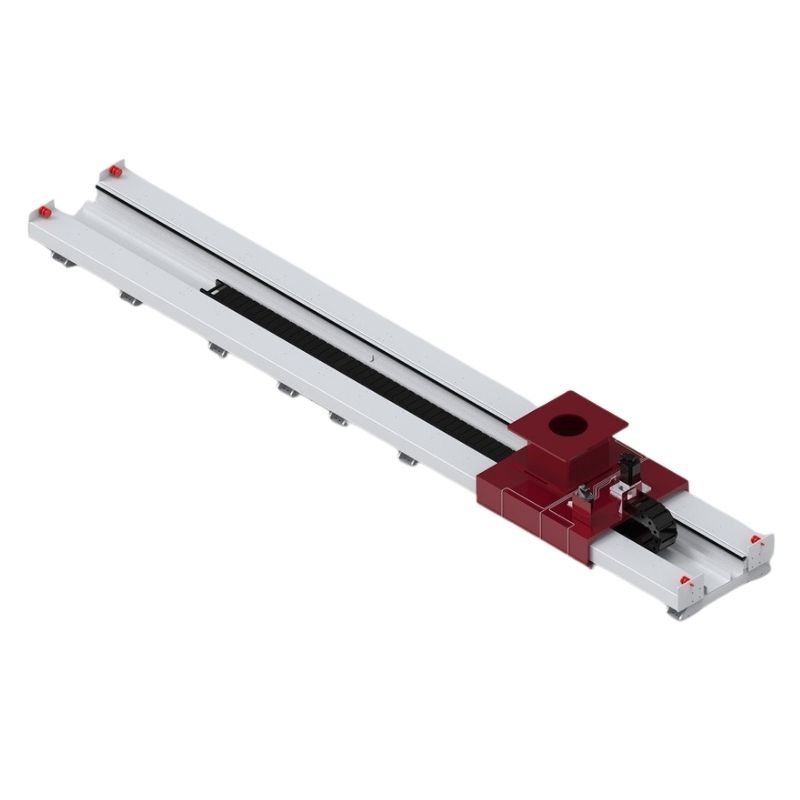
One of the most practical challenges in industrial robot applications is working range. Even a high-quality robot may have limited reach when the work area is large, when multiple stations need to be covered, or when the process path extends along a long structure.
Robot linear rails solve this problem by allowing the robot to travel along an additional axis. This expands operational range without requiring a completely different robot model. For integrators and distributors, that creates several advantages.
First, a linear rail can improve application flexibility. One robot can cover a wider working area and may serve multiple process positions more efficiently. Second, it can improve project competitiveness. In some cases, adding a linear rail is more practical than moving to a much larger robot model. Third, it gives channel partners a stronger solution story. Instead of quoting only a robot, they can quote a more capable automation module with clearer project value.
For overseas B2B buyers, this kind of flexibility is especially useful when local customers have non-standard layouts or larger work envelopes.
Welding Positioners Improve Process Accessibility and System Value
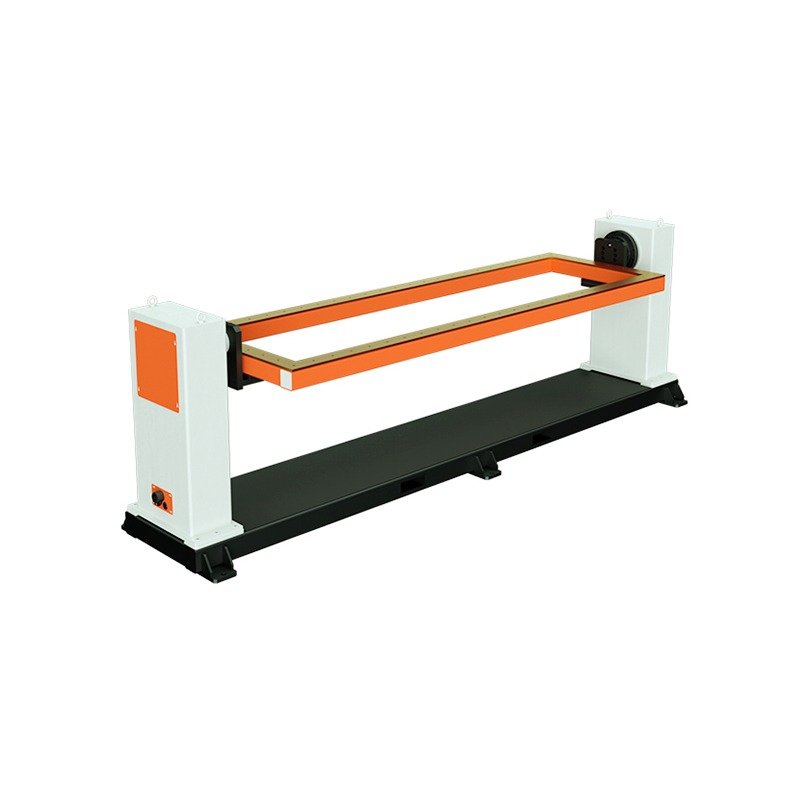
In welding automation, robot performance is closely connected to workpiece presentation. Even when a robot has good motion accuracy, welding efficiency may still be limited if the part cannot be rotated, tilted, or repositioned properly.
This is why welding positioners are so important.
A welding positioner helps present the workpiece at better angles for robotic welding. This improves accessibility, makes path planning more practical, and supports more stable system configuration. For automation distributors and integrators, positioners do more than improve process convenience. They make the complete system more commercially valuable.
A robot welding cell that includes a positioner is easier to position as a higher-level solution rather than a single equipment item. It also creates more room for project customization. Different load ranges, rotation structures, and configuration types allow channel partners to adapt the system according to industry, part dimensions, and production logic.
From a B2B perspective, this is highly useful because it supports both technical matching and value-added quotation.
Why These Products Are Good for Distributors and Wholesalers
For distributors and wholesalers, the best automation categories are usually the ones that can be repeated, combined, and adapted across projects. Robot linear rails and welding positioners fit this logic well.
They are not one-off accessories. They are supporting product categories that can be bundled with different robot brands and applications. A distributor can sell them together with welding robots, handling robots, or customized workstations. A wholesaler can treat them as part of a broader robot system supply package. A local integrator can combine them with fixtures, safety structures, and process tooling in project-based configurations.
This creates several business benefits. It increases average order value. It strengthens the supplier’s product structure. It also makes the channel partner less dependent on single-item price competition, because the quotation becomes more solution-oriented.
In other words, supporting equipment helps move the conversation away from “What is the robot price?” toward “What is the best system structure for this project?”
China as a Practical Supply Base for Robot Supporting Equipment
For overseas automation partners, China remains a practical sourcing base not only for robot units but also for supporting equipment. This is particularly important in projects where system competitiveness depends on mechanical customization, cost control, and packaging efficiency.
A capable China-based supplier can help provide robot-compatible linear rails, welding positioners, and related standard supporting equipment as part of a more complete B2B supply model. For distributors and integrators, this can simplify procurement and improve coordination between the robot platform and the supporting structure.
Instead of sourcing the robot from one supplier and the rail or positioner from another, overseas partners often benefit from a more integrated upstream relationship. This reduces communication gaps and makes configuration decisions easier during the quotation and production stages.
What Buyers Should Evaluate Before Cooperation
When selecting a supplier for robot supporting equipment, overseas distributors and integrators should look beyond simple product dimensions. The real value lies in compatibility, structural reliability, and cooperation efficiency.
For robot linear rails, buyers should evaluate load range, travel structure, compatibility with robot size, and the practical benefit for the intended application. For welding positioners, key points include load capacity, axis structure, rotation logic, and suitability for workpiece handling.
Just as important is whether the supplier understands B2B cooperation. Clear communication, stable documentation, export-oriented packaging, and flexibility in system matching are essential for long-term channel cooperation.
For companies that serve local markets through distribution or integration, these operational details often matter as much as the equipment itself.
Building More Competitive Automation Portfolios
For overseas automation distributors, wholesalers, and system integrators, growth does not come only from adding more robot brands. It also comes from building more complete solution portfolios.
Robot linear rails and welding positioners help make that possible. They expand application range, improve project adaptability, and create stronger value propositions in quotation and cooperation. Rather than being treated as secondary parts, they should be viewed as strategic supporting categories in industrial robot supply.
For B2B partners looking to strengthen sourcing capability and provide more practical automation packages, these products represent a clear opportunity.
Conclusion
In today’s industrial robot market, competitive advantage is increasingly built through complete solution capability rather than isolated product supply. For distributors, wholesalers, and system integrators, robot linear rails and welding positioners are valuable because they improve both technical flexibility and commercial positioning.
They help channel partners quote more complete systems, adapt to a wider range of projects, and strengthen long-term cooperation with upstream suppliers. For companies building industrial automation business across international markets, supporting equipment is not an add-on. It is part of the real value of the automation supply chain.
CTA
Looking for a reliable supplier of robot linear rails, welding positioners, and multi-brand industrial robot solutions in China? We support overseas distributors, wholesalers, and automation integrators with flexible B2B cooperation and long-term supply support.
contact our team for B2B cooperation
 China Industrial Robot Supplie
 When Customers Ask for Differe
 Why Fast Quotation Response Ma
How a One-Stop Industrial Robo
Why Fast Quotation Response Ma
How a One-Stop Industrial Robo