
Global Trends in Industrial Robotics: Opportunities for System Integrators and Distributors
Introduction
The global industrial robotics market is entering a new stage of structured growth. Driven by manufacturing automation, labor shortages, and supply chain restructuring, industrial robots are no longer limited to large-scale factories or single-brand ecosystems. Instead, the market is increasingly characterized by multi-brand integration, regional customization, and flexible deployment.
For overseas robot system integrators, distributors, and industrial equipment traders, understanding the current development trends of industrial robots is essential—not only for technology selection, but also for sourcing strategy, system compatibility, and long-term cooperation with reliable partners.
This article outlines the key development trends of industrial robotics from a system integration and supply-chain perspective.
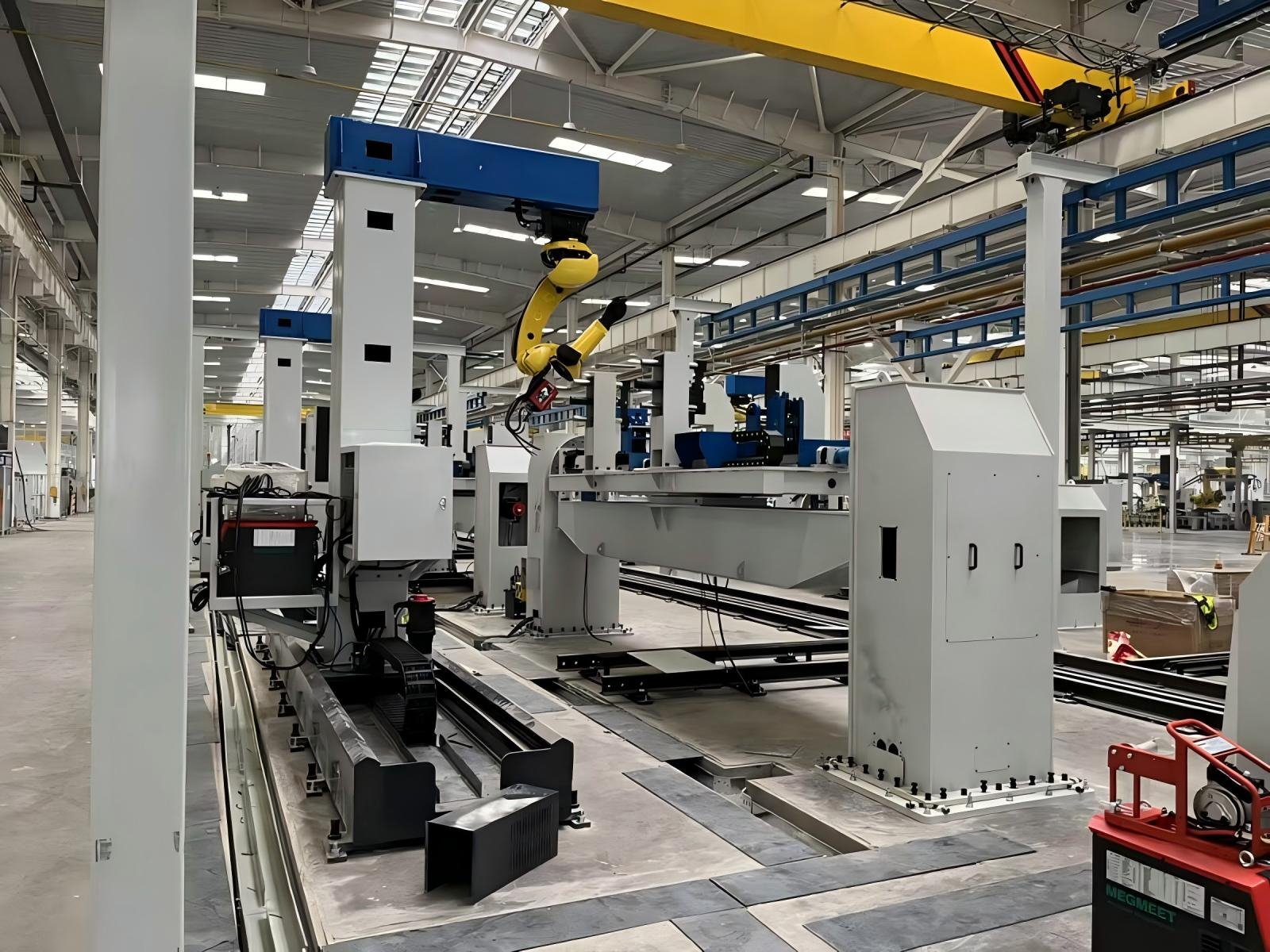
1. Industrial Robots Are Becoming More Modular and Integration-Oriented
One of the most significant trends in industrial robotics is the shift toward modular system architecture.
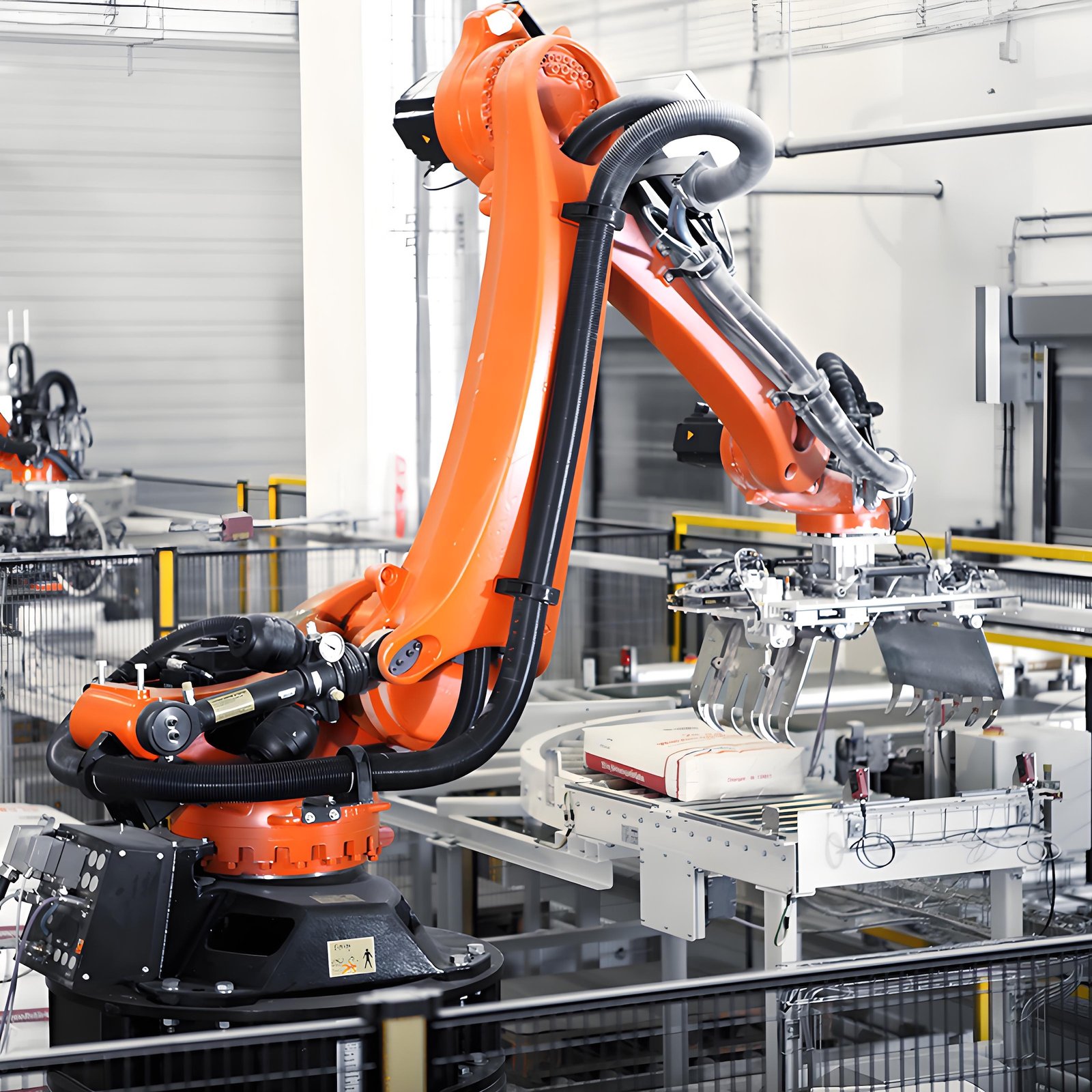
Major robot manufacturers such as FANUC, ABB, KUKA, and YASKAWA continue to improve the openness of their controllers, interfaces, and communication protocols. This allows system integrators to:
●Combine robots with third-party vision systems, tooling, and sensors
●Build customized production cells for different industries
●Reduce system redesign costs when scaling or upgrading
As a result, the value of professional system integration is increasing. Instead of purchasing standalone robots, more clients prefer complete automation solutions that can be adapted to local production requirements.
2. Multi-Brand Robot Solutions Are Becoming the Norm
In many international markets, customers no longer rely on a single robot brand. Instead, they expect multi-brand compatibility within the same production environment.
This trend is driven by several factors:
●Existing production lines already use different robot brands
●Availability and lead times vary by region
●Cost optimization requires flexible brand selection
System integrators and distributors who are familiar with multiple robot platforms—including FANUC, ABB, KUKA, and YASKAWA—are better positioned to support diverse market demands. This also increases the importance of upstream partners who can supply robots, spare parts, and integration support across brands.
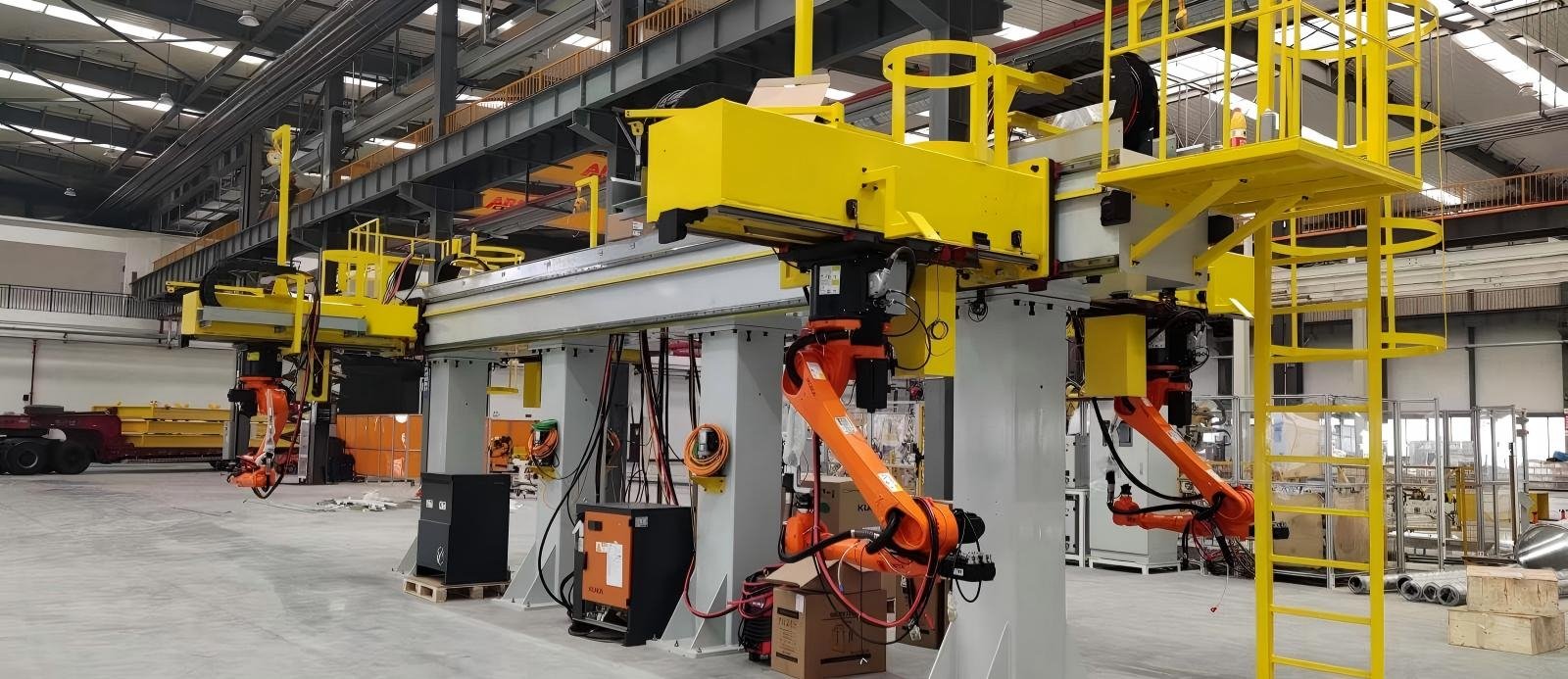
3. Faster Deployment and Shorter Project Cycles
Another clear trend is the demand for shorter automation project cycles.
Manufacturers expect robot systems to be:
●Delivered faster
●Installed and commissioned efficiently
●Easy to replicate across multiple sites
This creates opportunities for system integrators who can provide pre-engineered robot cells, standardized integration frameworks, and proven application experience. From a supply-chain perspective, reliable sourcing of robot units and accessories plays a critical role in meeting delivery schedules.
4. Growing Demand in Emerging and Secondary Markets
While traditional manufacturing hubs remain important, industrial robot demand is expanding rapidly in:
●Southeast Asia
●Eastern Europe
●Latin America
●The Middle East
In these regions, customers often rely on local integrators and distributors rather than dealing directly with robot manufacturers. This strengthens the role of international cooperation between overseas partners and experienced Chinese system integrators who can offer:
●Cost-effective robot solutions
●Flexible configuration options
●Technical support for integration and deployment
5. System Integrators as Long-Term Solution Partners
The role of the system integrator is evolving from project-based delivery to long-term solution partnership.
More overseas clients expect integrators and distributors to provide:
●Ongoing technical support
●Robot spare parts and upgrades
●System optimization over the equipment lifecycle
This trend favors companies with strong engineering capabilities, stable supply channels, and experience in handling complex industrial robot systems across different brands and applications.
Conclusion
The future of industrial robotics is not defined by robots alone, but by how well they are integrated into real production environments.
For overseas system integrators, distributors, and industrial equipment traders, success will depend on:
●Access to multi-brand robot resources
●Strong system integration expertise
●Reliable international partners with manufacturing and engineering experience
As the global automation market continues to grow, collaboration across regions and across brands will become increasingly important in building flexible, scalable, and competitive robot solutions.
 China Industrial Robot Supplie
 When Customers Ask for Differe
 Why Fast Quotation Response Ma
How a One-Stop Industrial Robo
Why Fast Quotation Response Ma
How a One-Stop Industrial Robo